
⚙️
Explore liquidLiquid fillers
Filling systems for free-flowing liquids, foamy products and high-value small doses.
UK liquid filling machinery
Lancing supplies semi-automatic, compact and fully automatic liquid filling machinery for manufacturers who need dependable filling, capping, labelling and packaging line integration.
Product range
Choose a simple semi-automatic machine, a compact automatic filler, or a fully integrated production line with capping, labelling and packaging equipment.
Filling systems for free-flowing liquids, foamy products and high-value small doses.
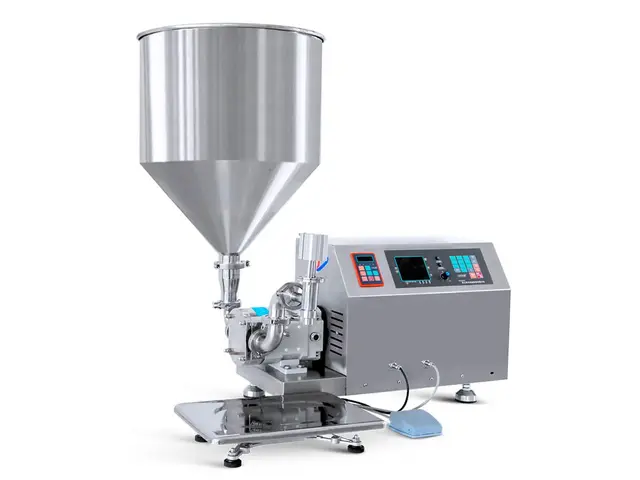
Piston, rotor-lobe and heated hopper options for creams, sauces, gels and adhesives.
Integrated conveyors, sensors, HMI controls and multi-head filling for production throughput.
Accurate, cost-effective systems for growing production without full line automation.
Space-saving peristaltic and volumetric fillers for small batches and frequent changeover.
Material compatibility and hazardous area considerations for solvents and aggressive liquids.
Featured machines
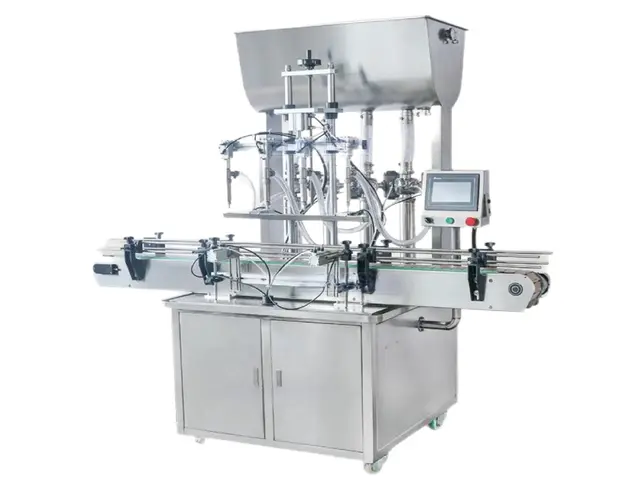
Automatic filling machines
Four‑nozzle automatic piston filler for honey, sauce, cream and lotion. Choose the appropriate cylinder module for your fill size.
View details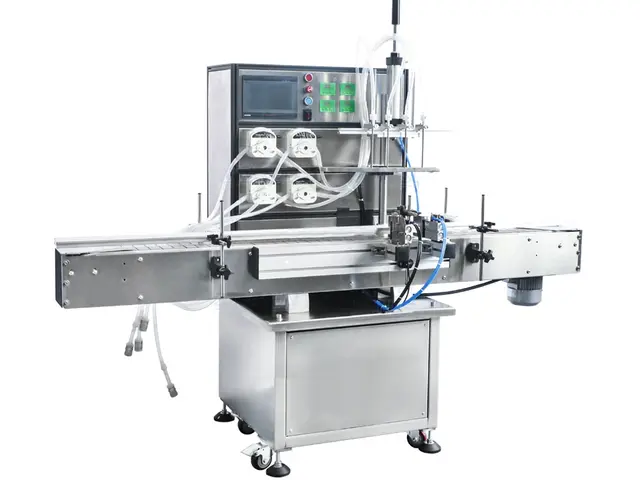
Automatic filling machines
Servo‑controlled peristaltic filler with touch HMI. Dosing volume is set directly on the screen—no need to time the fill. Four…
View details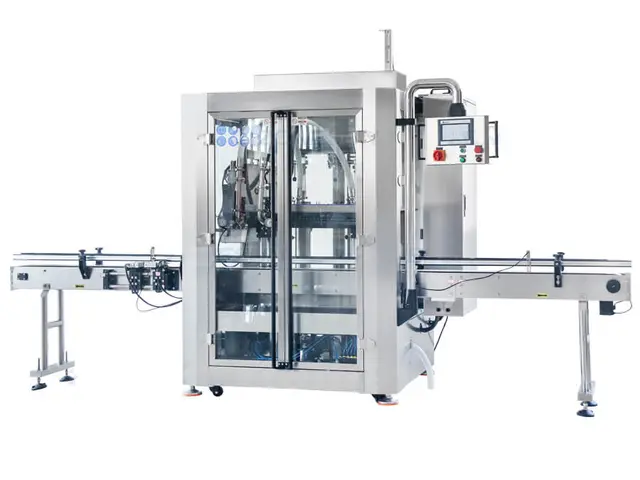
Automatic filling machines
High‑speed servo piston filler with following nozzles that track bottles on the move. Set volume directly on the touchscreen;…
View details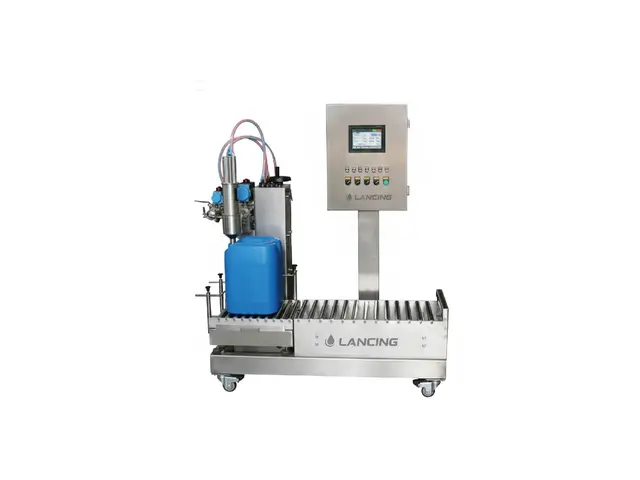
Semi-automatic filling machines
Weighing-based large-volume filler for 5–30 L containers. Diving nozzles handle foamy liquids cleanly while the gear pump keeps supply…
View details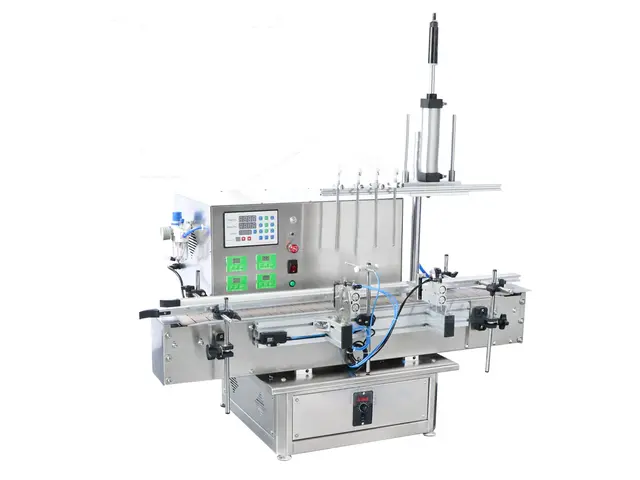
Compact filling machines
Desktop automatic peristaltic filler with 4 nozzles. Each head has an independent pump (≈60 W) delivering up to ≈4000 ml/min; ≈30–50 bpm…
View details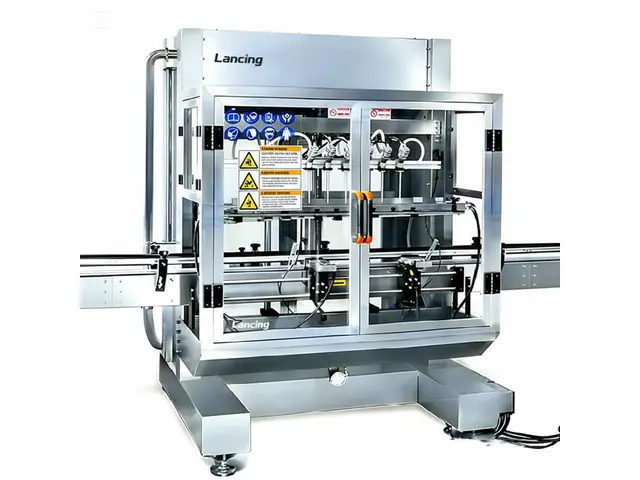
ATEX filling machines
Automatic filling platform engineered for flammable solvents in zoned environments. Explosion‑protected electricals and pneumatic…
View detailsAbout Lancing
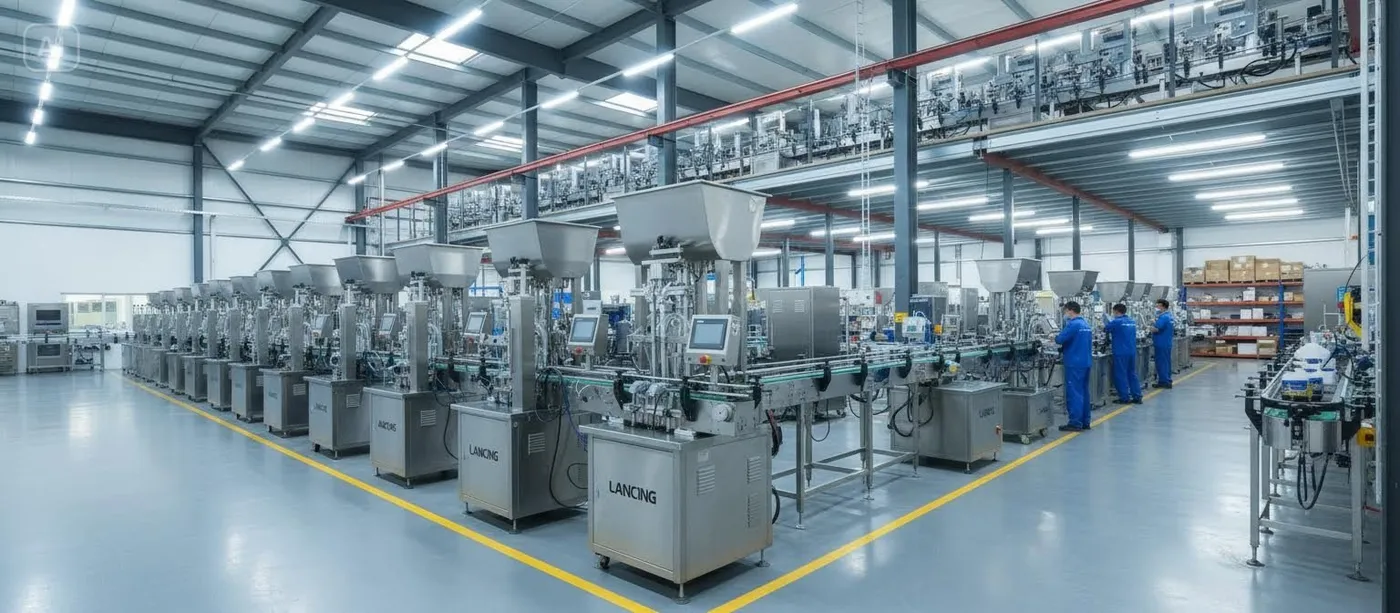
Lancing has specialised in the manufacture of semi-automatic and fully automatic machinery for over 40 years. From its South East England base, the company supplies high quality UK-made equipment throughout the UK, Europe and worldwide.
Projects range from off-the-shelf semi-automatic fillers to bespoke automated filling, capping, labelling and packaging lines for industrial, commercial and manufacturing applications.
Industries
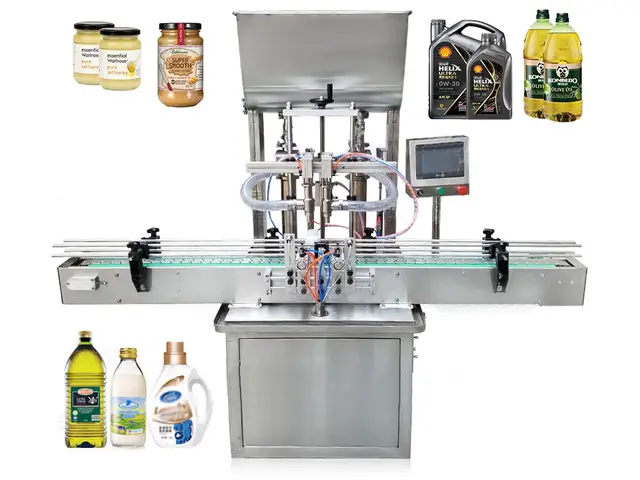
Sauces, honey, oils, juices, condiments, dairy and beverage products.
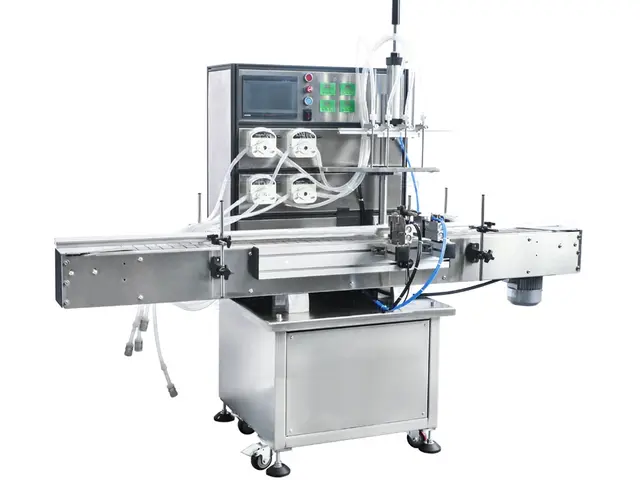
Creams, lotions, shampoo, gels, fragrances, toners and essential oils.
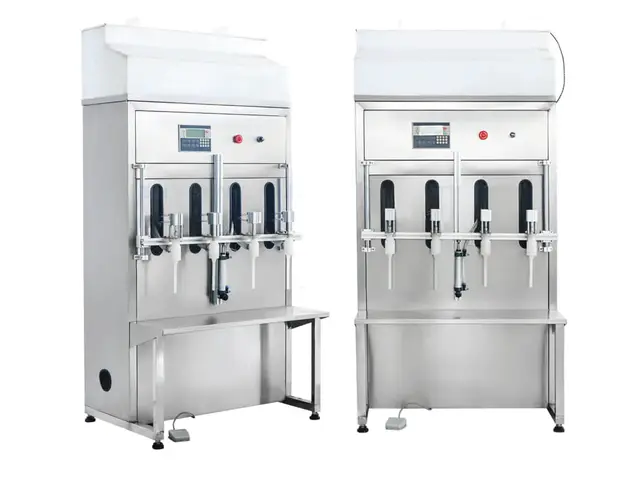
Bleach, acids, cleaners, solvents, fertilisers and aggressive liquids with material compatibility review.
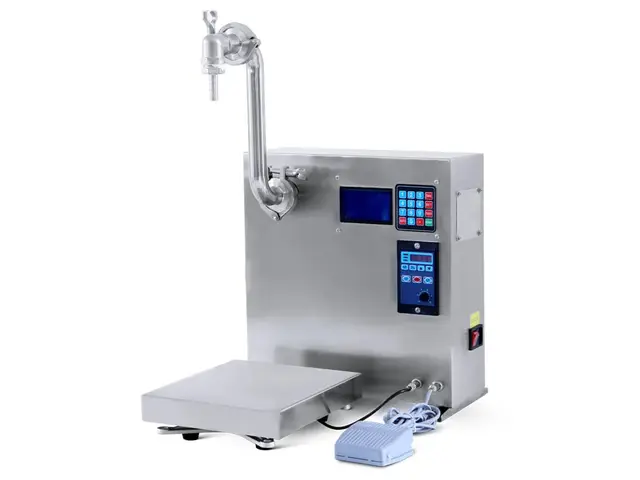
Cooking oils, engine oils, lubricants, antifreeze and similar products in bottles, cans and buckets.
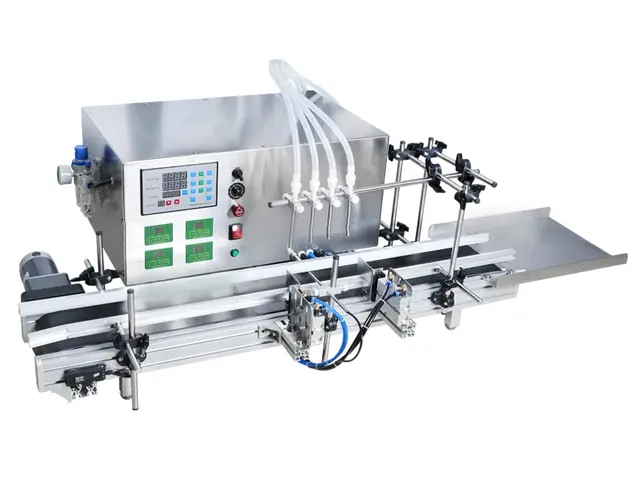
Clean filling concepts for compatible healthcare, laboratory and medical liquids.
Viscous products, gels, waxes, adhesives, pastes and high-solids liquids.
Speak to Lancing
Tell us the product, fill volume, container and output target. We will recommend a suitable semi-automatic, compact or fully automatic configuration.
Quick enquiry
Include your product, fill volume, container dimensions and target output. We will suggest the most appropriate filling method and automation level.
Phone: 01494 623015
Email: sales@lancinguk.com
Engineering the complete filling process
A dependable filling project starts with the product and pack, not with a headline machine speed. The same nominal fill volume can behave very differently when viscosity changes with temperature, a product traps air, a liquid foams at the nozzle or a container becomes unstable on a conveyor. Lancing therefore reviews the liquid, container, closure, required output and cleaning method together before a final configuration is selected.
This approach helps decide whether a peristaltic, piston, gear-pump, diaphragm, gravity, flow-meter or weight-based process is the better engineering route. It also identifies the practical details around the filler: product supply from a vessel or IBC, nozzle movement and shut-off, container detection, drip control, guarding, capping, labelling and end-of-line handling.
Share the liquid name, safety data where relevant, normal operating temperature, viscosity range, tendency to foam, presence of particles and whether the product can tolerate shear or recirculation. A representative sample is more useful than a broad description such as “thin” or “thick”.
Provide the actual bottle, jar, can, pouch, pail or jerrycan, together with caps or pumps. Neck position, opening size, container rigidity, base stability and fill level influence nozzle diameter, bottle guides, indexing and whether bottom-up filling is needed.
State the required good packs per minute or per shift, batch sizes, number of product changes and operator availability. A realistic output assessment includes refill time, changeover, cleaning, rejects, cap feeding and downstream constraints rather than filler cycle time alone.
Specification and trial evidence
The following evidence allows Lancing to compare technologies on the same basis and plan a representative sample trial where required.
| Selection point | What to define or test | Why it matters |
|---|---|---|
| Liquid evidence | Product sample, viscosity at filling temperature, foaming, solids, density and cleaning restrictions | Determines the suitable metering principle, wetted parts, hose or valve arrangement and test conditions. |
| Pack evidence | Several production containers and closures, including normal manufacturing variation | Confirms neck access, nozzle clearance, conveyor stability, sensing and change-part requirements. |
| Fill requirement | Minimum and maximum target fill, permitted tolerance and whether the target is volume, weight or level | Separates accuracy, repeatability and visual fill-level expectations and defines how trials will be measured. |
| Production target | Good packs per minute or shift, batch size, product changes and available labour | Allows automatic, compact and semi-automatic options to be compared against real production rather than a nominal cycle. |
| Line interface | Upstream supply, capping, labelling, coding, inspection and accumulation requirements | Prevents the filler being specified in isolation from the bottlenecks and controls around it. |
| Site conditions | Power, compressed air, washdown, extraction, hazardous-area information and available footprint | Identifies utilities, materials, guarding and project responsibilities before layout approval. |
Buyer questions
The answer depends on product behaviour, fill range, container, cleaning method and required output. Peristaltic systems isolate product in tubing, piston systems positively displace a measured volume, gear pumps suit many free-flowing to moderately viscous liquids, and weight filling is useful where mass is the controlling measure. A sample and pack review should confirm the choice.
Define the target quantity, acceptable tolerance, test instrument, sample size, product temperature and whether results will be assessed by volume or mass. Accuracy cannot be separated from product supply, air in the liquid, nozzle shut-off and stable test conditions.
Often yes, but the practical range depends on whether the products share compatible wetted parts, pump or piston size, nozzle diameter, cleaning method and container-handling requirements. The changeover process should be reviewed as part of the specification.
Automatic filling is normally considered when consistent throughput, reduced handling, recipe control or integration with capping and labelling outweighs the flexibility of a manually presented pack. The decision should use good finished packs per shift, not just a quoted filler cycle.
Provide representative product in sufficient quantity, production containers and closures, the target fill and tolerance, normal product temperature and a clear acceptance method. Include the most difficult product or pack variant rather than only the easiest sample.
Yes. The filler can form part of a wider line, but container transfer, speed balance, fault handling, accumulation and control interfaces must be considered together. The correct line layout depends on the product, pack and required operating pattern.