
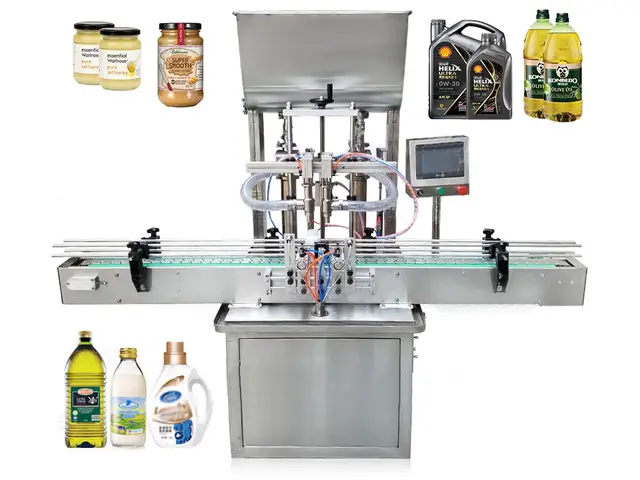
Food & drink
Sauces, honey, oils, juices, condiments, dairy and beverage products.
Applications
Lancing configures machinery for product viscosity, chemical compatibility, fill accuracy, container geometry and the operating environment.
Sauces, honey, oils, juices, condiments, dairy and beverage products.
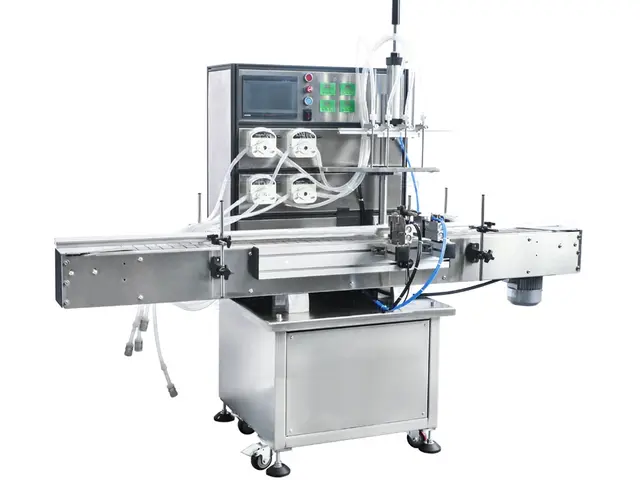
Creams, lotions, shampoo, gels, fragrances, toners and essential oils.
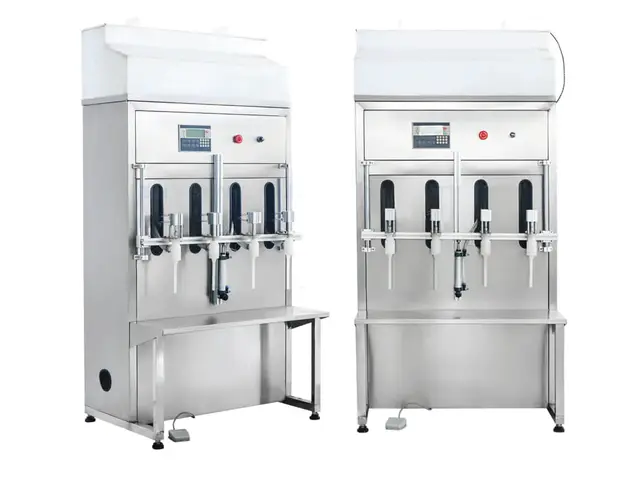
Bleach, acids, cleaners, solvents, fertilisers and aggressive liquids with material compatibility review.
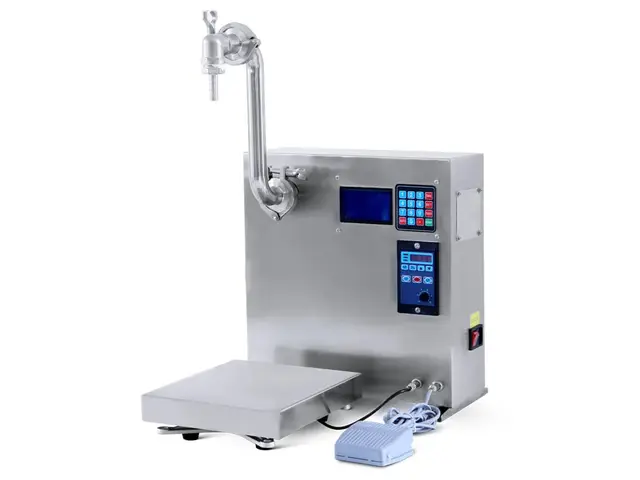
Cooking oils, engine oils, lubricants, antifreeze and similar products in bottles, cans and buckets.
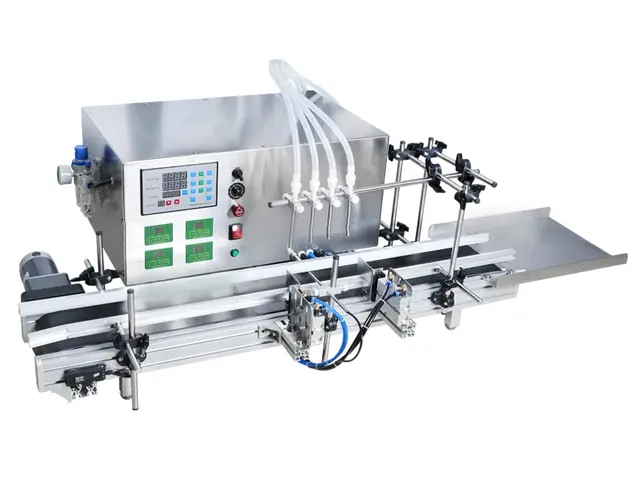
Clean filling concepts for compatible healthcare, laboratory and medical liquids.
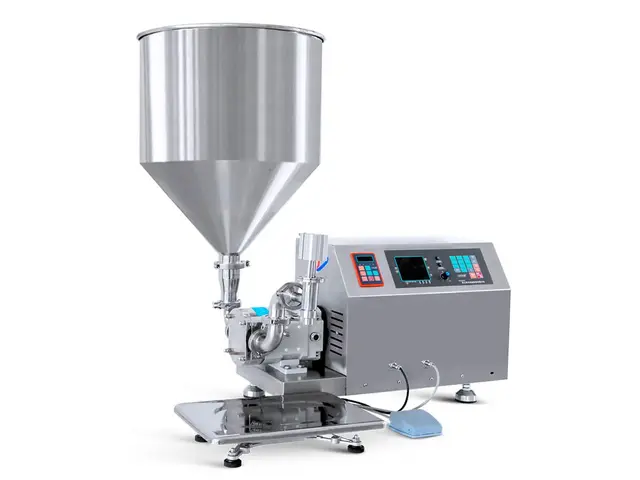
Viscous products, gels, waxes, adhesives, pastes and high-solids liquids.
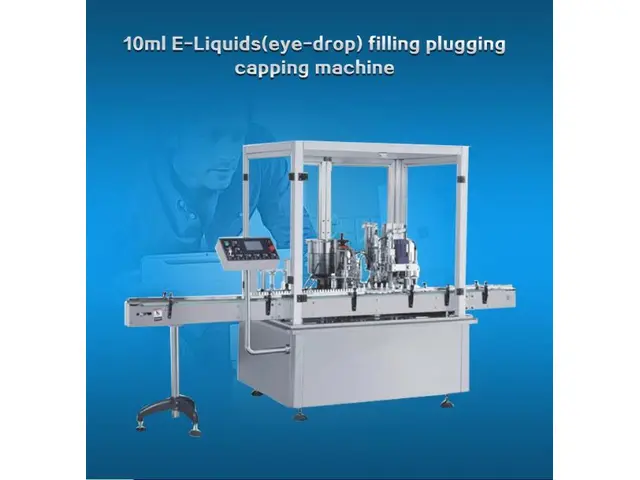
Compact peristaltic and piston systems for small fill volumes and rapid changeovers.
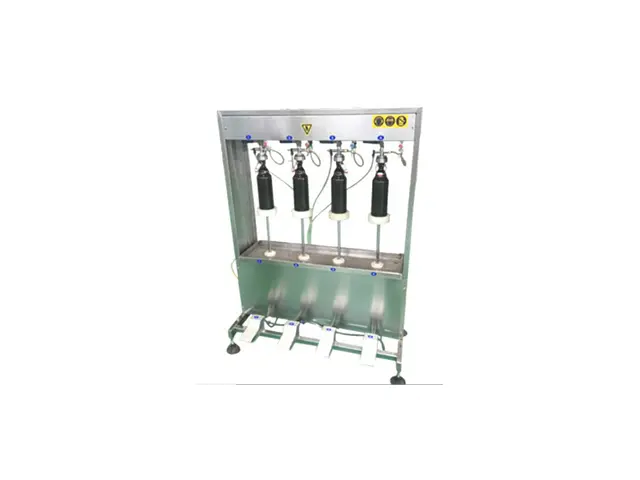
Flexible semi-automatic and compact lines for frequent product and packaging changes.
Specification support
Viscosity, temperature, solids, foam, solvent content and product compatibility can change the recommended filling method. Sending product details, SDS where applicable, and container samples helps us specify the correct wetted materials, nozzles, pumps and automation level.
Speak to Lancing
Tell us the product, fill volume, container and output target. We will recommend a suitable semi-automatic, compact or fully automatic configuration.
Application evidence by sector
Industry labels are useful orientation, but the engineering requirement comes from the individual liquid and process. Two cosmetic products can require different pumps because one is a low-viscosity fragrance and the other is an aerated cream. Two cleaning chemicals can differ because one foams heavily while another is corrosive or handled in a classified area.
The most reliable route is to combine sector expectations with product-specific evidence: composition or safety data, operating temperature, viscosity, particles, hygiene or material requirements, container and closure, production environment and the method used to clean between batches.
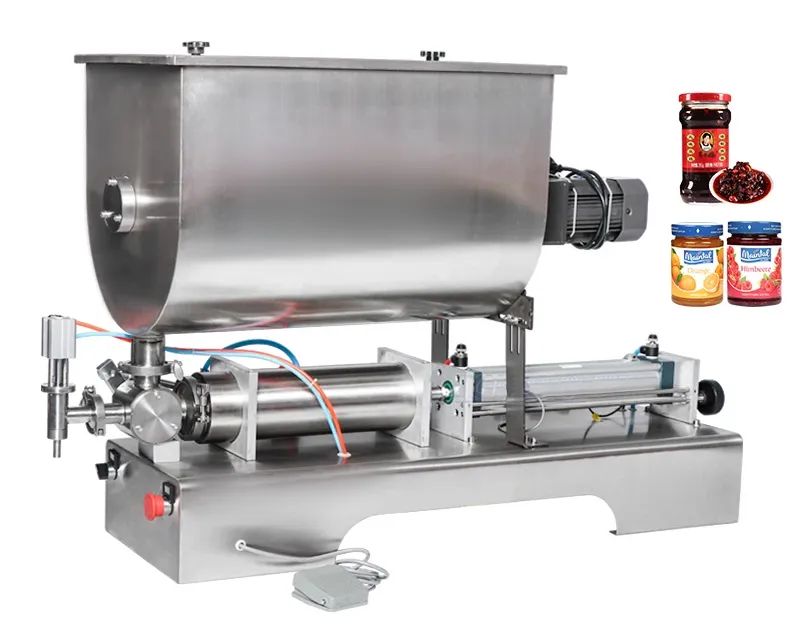
Identify temperature, particles, product shear, allergen or cross-contact controls and the required cleaning process. Sauces, oils and water-like products can need very different valves, pumps and nozzle passages even when the containers are similar.
Consider foaming, fragrance carry-over, product value, small-dose control, stringing and the visual cleanliness of the pack. Tube-based peristaltic filling, piston dosing or pump systems may be considered according to the liquid.
Supply the SDS and confirm wetted-material compatibility, vapour, foaming and hazardous-area obligations. The surrounding product supply, capper, conveyor and controls must be reviewed as well as the filling machine.
Specification and trial evidence
These questions help separate genuine engineering differences from generic industry labels.
| Selection point | What to define or test | Why it matters |
|---|---|---|
| Food and drink | Are there particles, temperature controls, hygiene procedures or allergen changeovers? | Determines product passages, cleaning access and operating sequence. |
| Cosmetics | Does the product foam, string, trap air or require low product loss? | Influences pump type, nozzle shut-off, hopper design and priming. |
| Chemicals | What do the SDS, material compatibility and site risk assessment require? | Controls wetted materials, containment and any hazardous-area review. |
| Oils and lubricants | What is the viscosity range and how is product supplied from bulk storage? | Affects pump sizing, hosework, feed pressure and cold-start behaviour. |
| Contract packing | How many products and packs change, and what evidence must be retained for each? | Makes clean-down, recipes, change parts and documented setup central to the selection. |
| High-value liquids | How will priming loss, residual product and overfill be measured? | Moves yield, drainage and controlled recovery into the acceptance criteria. |
Buyer questions
Not by itself. Product behaviour, dose, container, cleaning, site conditions and output determine the process. Industry context adds the relevant hygiene, material, documentation and risk requirements.
Fast, controlled changeover; broad but verified compatibility; recipe discipline; cleanability; and a documented setup for each product and pack. Trial the edge cases, not only the easiest customer product.
Test the actual product at its normal temperature using the intended pack. Compare flow profile, nozzle diameter and bottom-up movement, then measure good output after foam has settled to the required acceptance point.
That depends on the cleaning validation, product-contact materials, contamination controls and the manufacturer’s operating procedures. The machinery alone cannot establish whether the shared use is acceptable.
Provide the SDS, concentration, temperature, cleaning chemicals and all materials exposed to liquid or vapour. Compatibility must cover hoses, seals, pumps, valves, nozzles, containment and connected equipment.
Use representative product and packs, define the expected fill, visual quality, tolerance, output and cleaning observations, then record the exact machine setup and test conditions.
Technical guidance
Different products change the materials, cleaning and evidence required.
Review chemistry, temperature, seals, hoses and cleaning agents.
Read guideDefine residue, next-product risk and verification evidence.
Read guideAlign the machine trial with the finished-pack control method.
Read guideInclude substance, pressure, movement and site-interface hazards.
Read guideSpecialist application paths
Use these guides where product-contact design or the pack format changes the selection method.
Small fills, narrow bottle openings, product-contact tubing and clean changeover considerations.
Flexible-pack filling where the pack presentation and sealing process are part of the machinery decision.
Container scale, product supply, materials, utilities and line integration for industrial applications.