
Semi-automatic filling machines
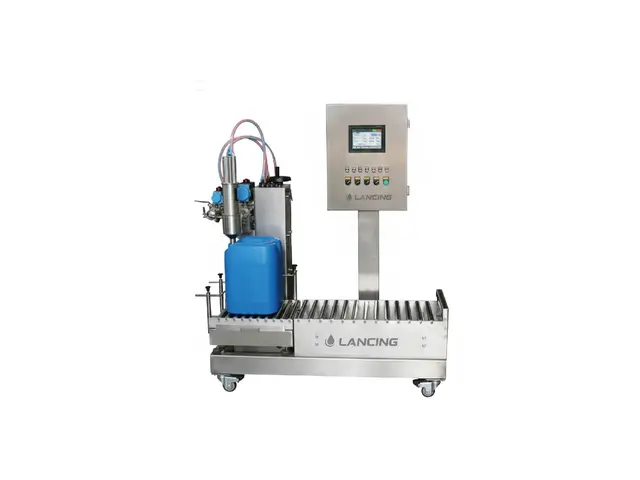
Semi Automatic Bucket Filling Machine
Weighing-based large-volume filler for 5–30 L containers. Diving nozzles handle foamy liquids cleanly while the gear pump keeps supply…
View detailsSemi-automatic and compact fillers
Semi-automatic and tabletop machines are ideal for small-batch production, new product launches, contract packing and frequent changeovers.
These machines provide a significant production improvement over manual filling while preserving operator control and keeping setup cost lower than a fully automatic line.
Semi-automatic range
Semi-automatic filling machines
Weighing-based large-volume filler for 5–30 L containers. Diving nozzles handle foamy liquids cleanly while the gear pump keeps supply…
View details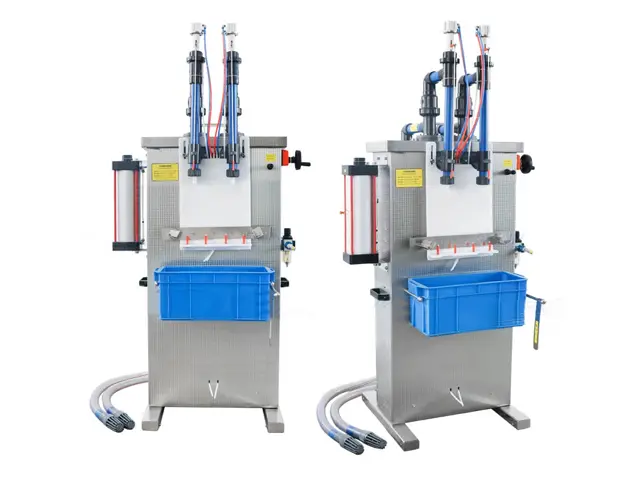
Semi-automatic filling machines
Fully pneumatic, double‑head filler engineered for corrosive liquids like toilet cleaner and acids. All wetted parts are plastic to…
View details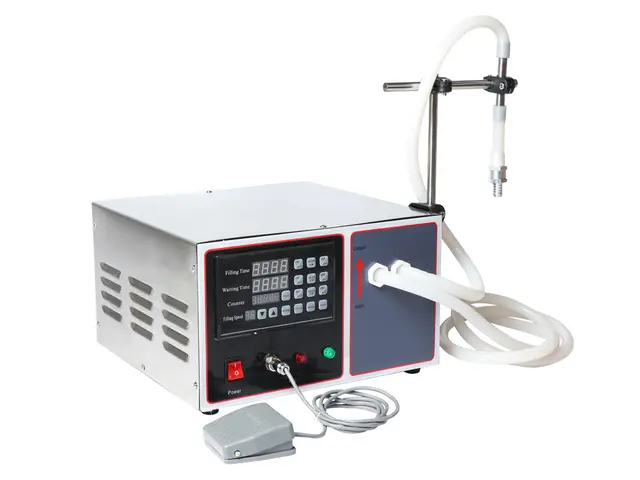
Semi-automatic filling machines
Bench‑friendly diaphragm‑pump filler with built‑in weighing to improve accuracy. Ideal for cosmetics, shampoos and foamy or solvent‑based…
View details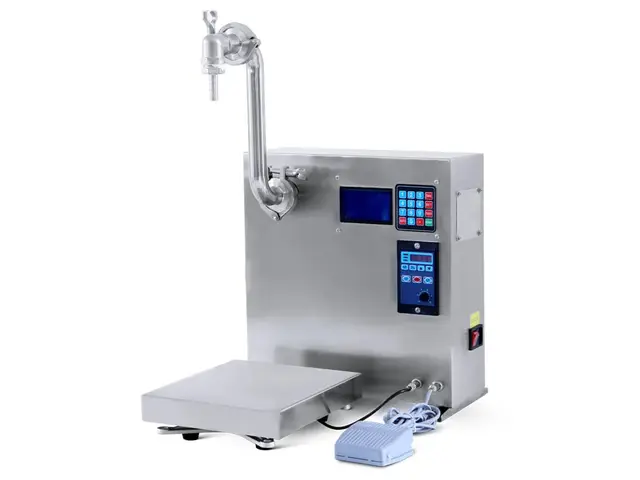
Semi-automatic filling machines
Bench‑friendly gear‑pump filler with built‑in weighing. High flow (up to 36 L/min) handles oils and thicker liquids. Set a target weight…
View details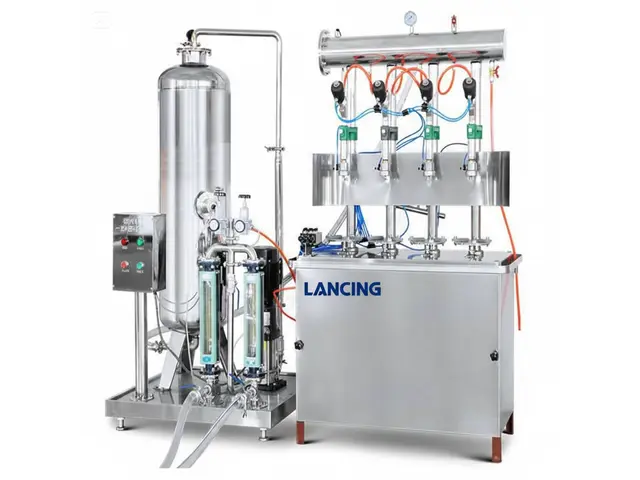
Semi-automatic filling machines
Compact 4‑head counter‑pressure can filler with mixing module. Designed for soda, sparkling drinks and RTD cocktails in 330–500 ml cans.
View details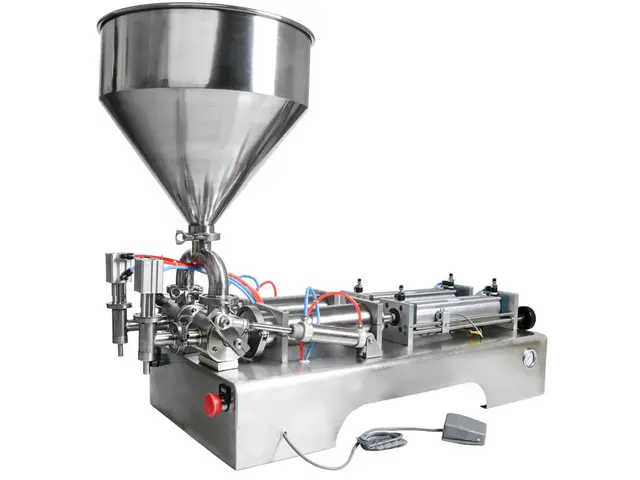
Semi-automatic filling machines
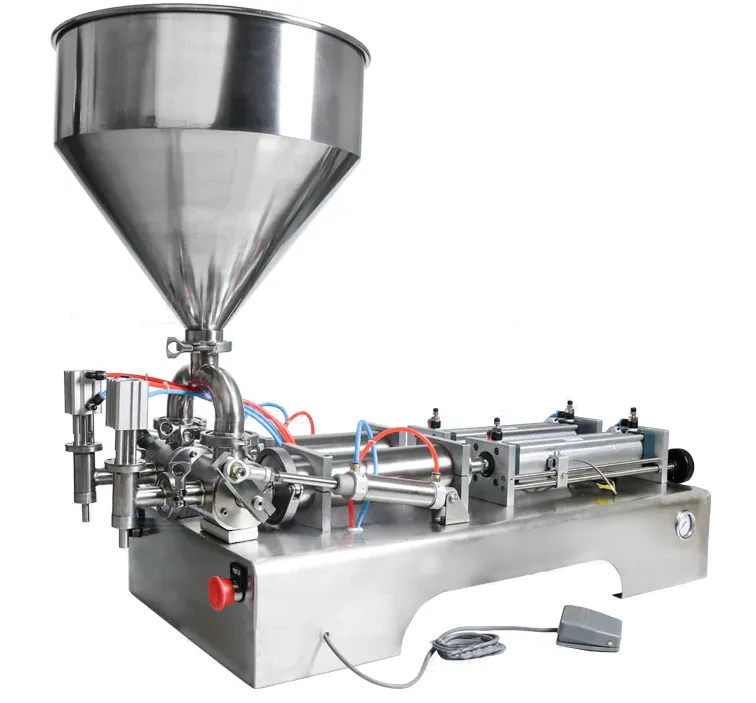
Pneumatic twin‑head piston filler with hopper. Select a cylinder module from 10–100 ml up to 1000–5000 ml to suit your dose.
View details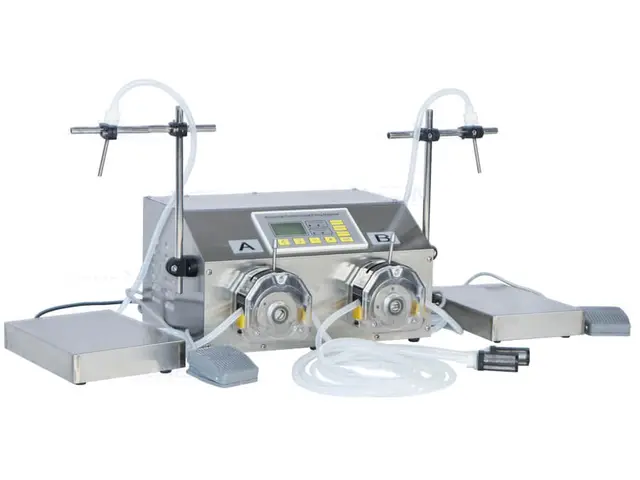
Semi-automatic filling machines
Double‑head semi‑automatic peristaltic filler for large bottles and jugs. High flow (≈12 L/min × 2) with tubing‑only contact makes quick,…
View details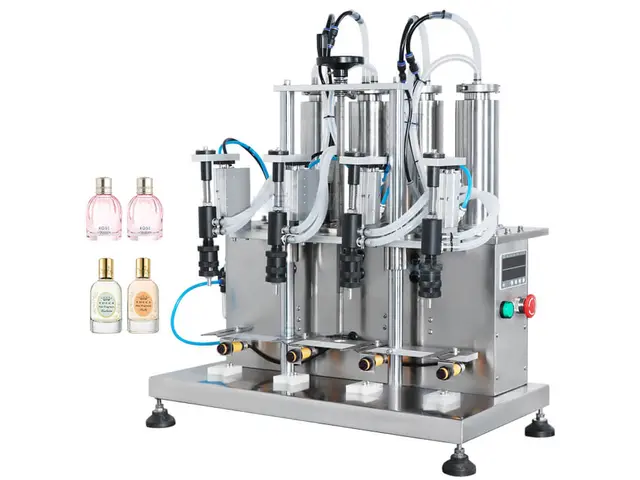
Semi-automatic filling machines
Overflow Vacuum Fillers are designed to fill to a level rather than to dispence a specific volume of liquid. Ideal for applications with…
View details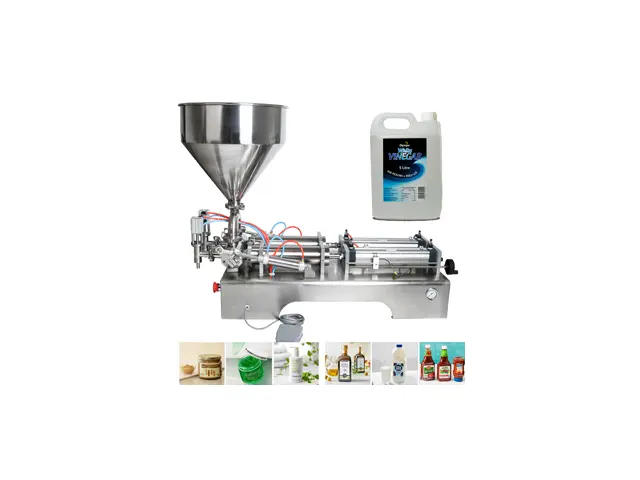
Semi-automatic filling machines
The semi-automatic system offers separate machines each requiring manual product placement but still affording a very significant…
View details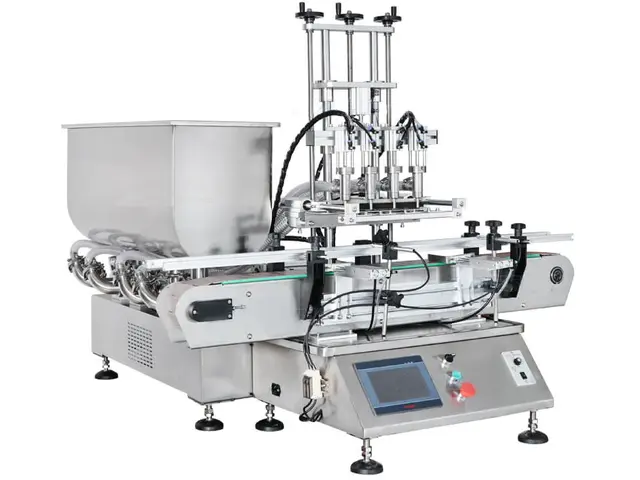
Compact filling machines
Tabletop 2–4 head piston filler for soaps, shampoos and viscous liquids. Accurate volumetric dosing with ≤±1% typical accuracy.
View details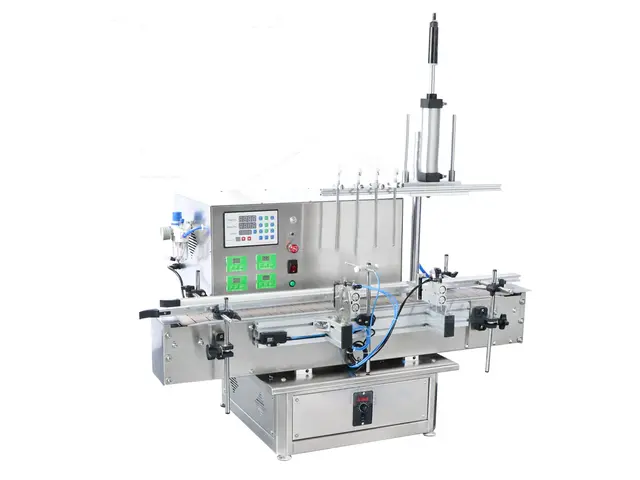
Compact filling machines
Desktop automatic peristaltic filler with 4 nozzles. Each head has an independent pump (≈60 W) delivering up to ≈4000 ml/min; ≈30–50 bpm…
View detailsSpeak to Lancing
Tell us the product, fill volume, container and output target. We will recommend a suitable semi-automatic, compact or fully automatic configuration.
Flexible batch production
Semi-automatic filling places the operator inside the production cycle: containers are presented, filling is initiated, filled packs are removed and the next operation may be capping, wiping or checking. The machine can meter accurately, but sustainable output and quality also depend on reach, container stability, pedal or sensor position, product replenishment and how full packs are handled.
This format is valuable for short runs, varied products and staged investment because it can keep changeover straightforward and avoid automating an unstable process too early. The correct decision is based on batch economics and operator work content, not simply on the purchase price of the filler.
Use guides, bottle nests or a stable work surface so the neck aligns with the nozzle every cycle. Container height variation, flexible packs and narrow openings should be represented in trials rather than corrected manually by an experienced test operator.
Map where empty packs, caps, filled packs and rejected items are placed. Consider the weight of a full container, repetitive movement, spill containment and whether one person can maintain the intended rhythm throughout a normal batch.
Record the settings, sample checks and work steps that produce acceptable packs. This creates a stable process that can later be transferred to a compact inline or fully automatic configuration with fewer unknowns.
Specification and trial evidence
A short timed trial with real containers is more useful than estimating output from the fill time alone.
| Selection point | What to define or test | Why it matters |
|---|---|---|
| Present container | Pick, orient, position and confirm neck alignment | Determines whether a nest, guide or twin-position arrangement is required. |
| Initiate fill | Pedal, push-button, timer or automatic bottle sensing | Affects hand position, repeatability and the risk of starting without a container. |
| Observe and remove | Check fill completion, drip control and safe withdrawal | Reveals nozzle stringing, splash and full-pack handling issues. |
| Close and check | Apply closure, wipe if needed, inspect and sample-weigh | Shows whether capping or quality checks are the true production bottleneck. |
| Replenish product | Refill hopper, change drum or maintain feed pressure | Can interrupt output and introduce air or a change in product head. |
| Change product or pack | Drain, clean, replace contact parts and adjust guides | Defines whether the machine remains practical for the intended production mix. |
Buyer questions
The machine controls the dose, while an operator performs one or more tasks such as presenting the container, initiating the cycle or removing the filled pack. The exact division of work varies by model and application.
Yes, when the dosing method, product feed, calibration and test conditions are appropriate. Operator presentation and container tare can also influence the measured result, so the full process should be standardised.
That depends on container supply, filling, capping, checking and packing tasks. A time study using the actual pack is the best way to determine whether one operator can maintain the target output.
It can be, especially for smaller batches or high product variety. Check space for product supply, spill containment, empty and full packs, and ensure the bench and operator posture suit the full container weight.
Some processes can be transferred into an inline configuration, but the future route depends on the dosing technology, controls and container handling. State the likely scale-up plan during the initial specification.
Check fill result, nozzle shut-off, container alignment, operator cycle, refill method, start-up, end-of-batch behaviour and cleaning. Trial the most difficult product and pack combination.
Operator-centred production study
Semi-automatic equipment can be highly productive when the container, trigger method, filled-pack handling and nearby capping or labelling tasks are arranged as one repeatable work sequence.
Observe the operator from empty-container pick-up to placement of the finished pack. Include positioning, fill initiation, waiting, inspection, removal and transfer. The best trigger arrangement may be a foot switch, sensor or timed cycle depending on whether the operator needs both hands to control the pack.
Run the study for long enough to expose refill, cleaning and fatigue effects. A comfortable short demonstration can become slow or inconsistent when containers are awkward, filled packs are heavy, product supply needs frequent attention or rejected fills interrupt the normal sequence.
Use a repeatable nest or guide where bottle position affects nozzle entry. Check that the trigger cannot start a fill before the container is correctly located and that the operator can keep clear of moving parts.
Allow space to lift or slide the filled container without touching the nozzle. Define the checks for quantity, neck cleanliness, drips and pack damage before the container moves onward.
Include product top-up, tube or hose management, hopper access, spill control and end-of-batch drainage. The station should support the approved cleaning method without improvised lifting or difficult access.
Work-study evidence
| Scenario | What to record | Why it matters |
|---|---|---|
| Normal single-operator cycle | Container pick, presentation, fill, inspection, removal and onward transfer | Provides the true labour and output baseline for the proposed station. |
| Container variants | Smallest opening, tallest pack, most flexible wall and heaviest filled container | Shows whether one nest, nozzle position and work height cover the range safely. |
| Product extremes | Thinnest and thickest approved condition, foam tendency and normal source-level variation | Tests whether the selected pump or piston remains stable throughout production. |
| Short batch | Setup, priming, fill, cleaning and approval time relative to the number of packs | Identifies whether changeover dominates the economics of frequent small runs. |
| Long batch | Operator pace, product replenishment, repetitive handling and quality drift | Reveals constraints that a brief trial will not show. |
| Interrupted cycle | Pack condition and first fills after a pause, nozzle drip and product settling | Confirms a simple, controlled recovery method for normal production interruptions. |
Technical guidance
Combine operator handling with repeatable dosing and checks.
Test the actual product, pack placement and operator sequence.
Read guideSet a practical net-content check and adjustment process.
Read guideInclude safe strip-down, priming and restart in cycle planning.
Read guideReview manual presentation, access, energy and product hazards.
Read guideRecord product, head, setting and operating state before adjustment.
Read guideBuyer questions
Operator work, container presentation and nearby tasks determine the practical production result.
Semi-automatic filling can provide better value when batches are varied, formats change frequently, labour can present containers safely and the required output does not justify automatic handling. It can also reduce format complexity. The decision should use the complete operator cycle and changeover burden, not a pump speed quoted without loading and unloading.
Measure from the start of one repeatable work cycle to the start of the next, including container pickup, positioning, fill initiation, filled-pack removal and any nearby capping or handling task within the proposed workstation. Repeat across representative operators and pack conditions. Exclude neither replenishment nor normal actions that production will require.
Consider container and product weight, reach distance, working height, hose and nozzle forces, foot-switch position, visibility, repetitive motion, spill management and access for replenishment. The workstation should support a repeatable safe sequence. A machine that fills accurately can still create poor practical output if the operator must stretch, twist or re-handle packs.
Some platforms can be integrated later, but the original product path, controls, guarding, container handling and physical layout must support that intention. State the future interface in the requirement and ask what is genuinely reusable. Do not assume that adding a conveyor converts a manual sequence into a validated automatic line without further engineering and acceptance.
Operator-led production
Semi-automatic filling can be the right production choice when the operator cycle, surrounding tasks and changeovers are assessed honestly. These questions help avoid specifying from the filler cycle alone.
A semi-automatic filler operator should be able to identify the correct recipe or setting, load and remove containers consistently, recognise an unacceptable fill, respond to drips or loss of prime, perform permitted cleaning and changeover tasks, and stop the process safely. Training should also define which adjustments require a supervisor or maintenance technician.
Critical spares depend on the metering technology and product path. They may include tubing, seals, non-return valves, nozzles, clamps, sensors or product-contact wear items. The practical list should be based on the supplied configuration, expected use and consequence of failure, with part identification that prevents an incompatible material or size being fitted.
Realistic semi-automatic output includes the whole operator cycle: presenting an empty container, initiating or waiting for the fill, removing the filled pack, checking it and completing nearby capping or handling tasks. A timed study should include replenishment and normal interruptions, use representative products and containers, and report good completed packs rather than isolated filler actuations.
Semi-automatic filling can remain preferable where batches are short, formats change frequently, containers are difficult to feed automatically or capital should be concentrated on the metering operation first. It is also useful for pilot production and specialised products, provided manual handling, ergonomics, traceability and the total operator workload are acceptable.